

New findings from the long-running TS 2000 Study, which was funded in part by the TSA, are helping us to better understand why autism and autistic traits are so common in people with Tuberous Sclerosis Complex (TSC)
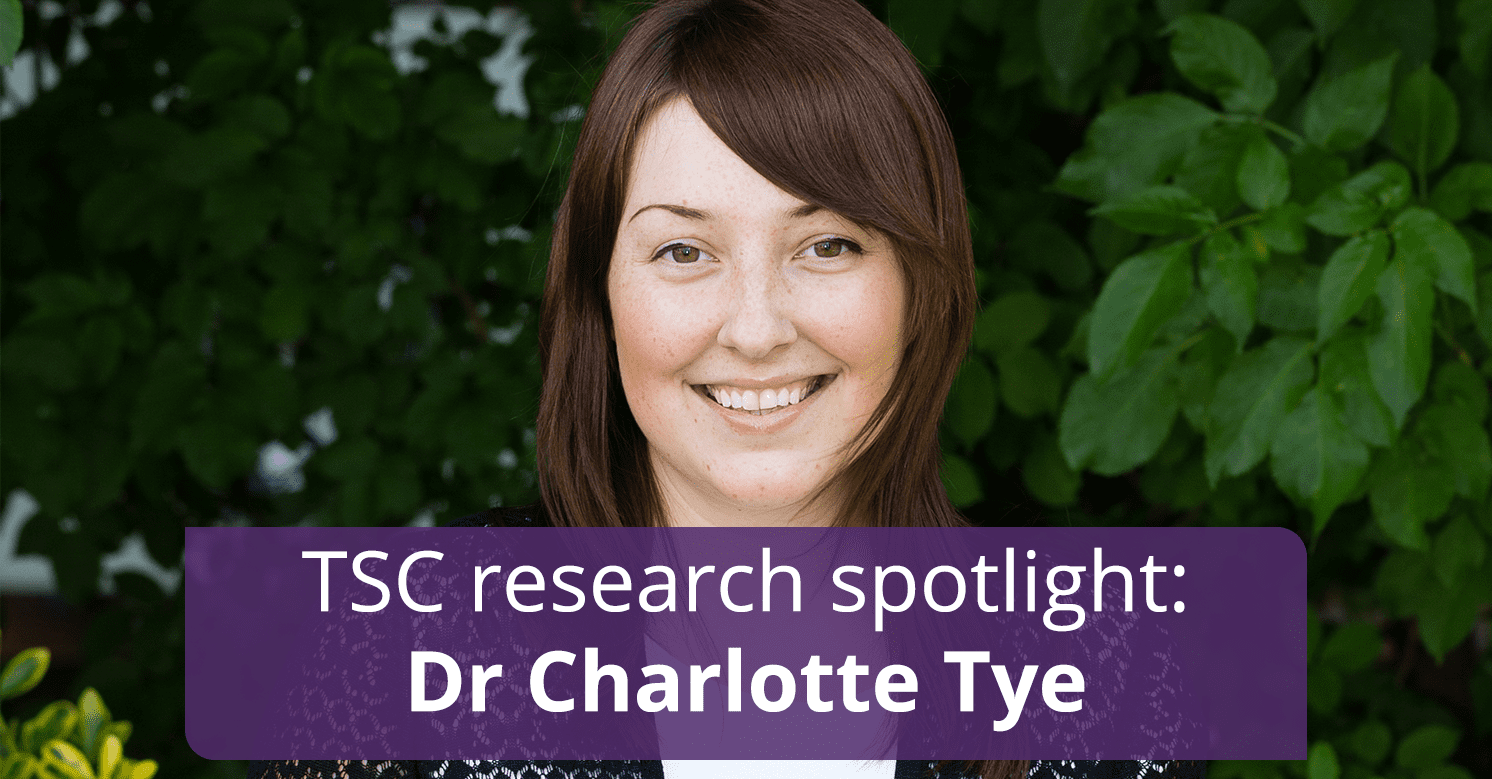
We’ve known for a long time that there appears to be a strong relationship between TSC, autism and autistic traits. The TS 2000 Study, led by Dr Charlotte Tye at King’s College London, took a deeper look into this. TS 2000 tracked the development of children with TSC for over 10 years, collecting information like the number of TSC growths in the brain, experiences of epilepsy and cognitive development.
After over a decade since it started, TS 2000 found that:
- Almost 40% of participants met the criteria for an autism diagnosis, while a further 42% showed elevated autistic traits
- There appears to be two possible ways that TSC gene changes might be linked to autism: One based on a higher number of cortical tubers (growths on the brain) and infantile spasms, and the other involving infantile spasms alone
- People with more severe ongoing seizures and lower IQ scores tended to have higher levels of autistic traits
- Genetic changes in TSC, changes in the brain and severe epilepsy early in life might all be linked to the development of autism over time
Importantly, the findings do not mean that infantile spasms directly cause autism. TSC affects brain development in complex ways and the researchers stress that more work is needed to understand how the different factors interact.
All of this means that in the future researchers and clinicians might be able to identify children with TSC who could benefit from closer monitoring. However, treating seizures earlier should not be seen as a way of preventing autism, with previous evidence suggesting that treating epilepsy before seizures appear can delay infantile spasms, but not prevent autism or cognitive difficulties.
TS 2000 shows why long-term TSC research is so important and often why research takes many years. By following people with TSC for over a decade, the researchers were able to uncover patterns that shorter studies might have missed. Thanks to the TS 2000 researchers, another piece of the TSC, epilepsy and autism puzzle has been placed onto the board.
Read the journal article in full here.
You can help to ensure that the TSA continues to be here for the TSC community, including in funding research, by providing a regular donation.