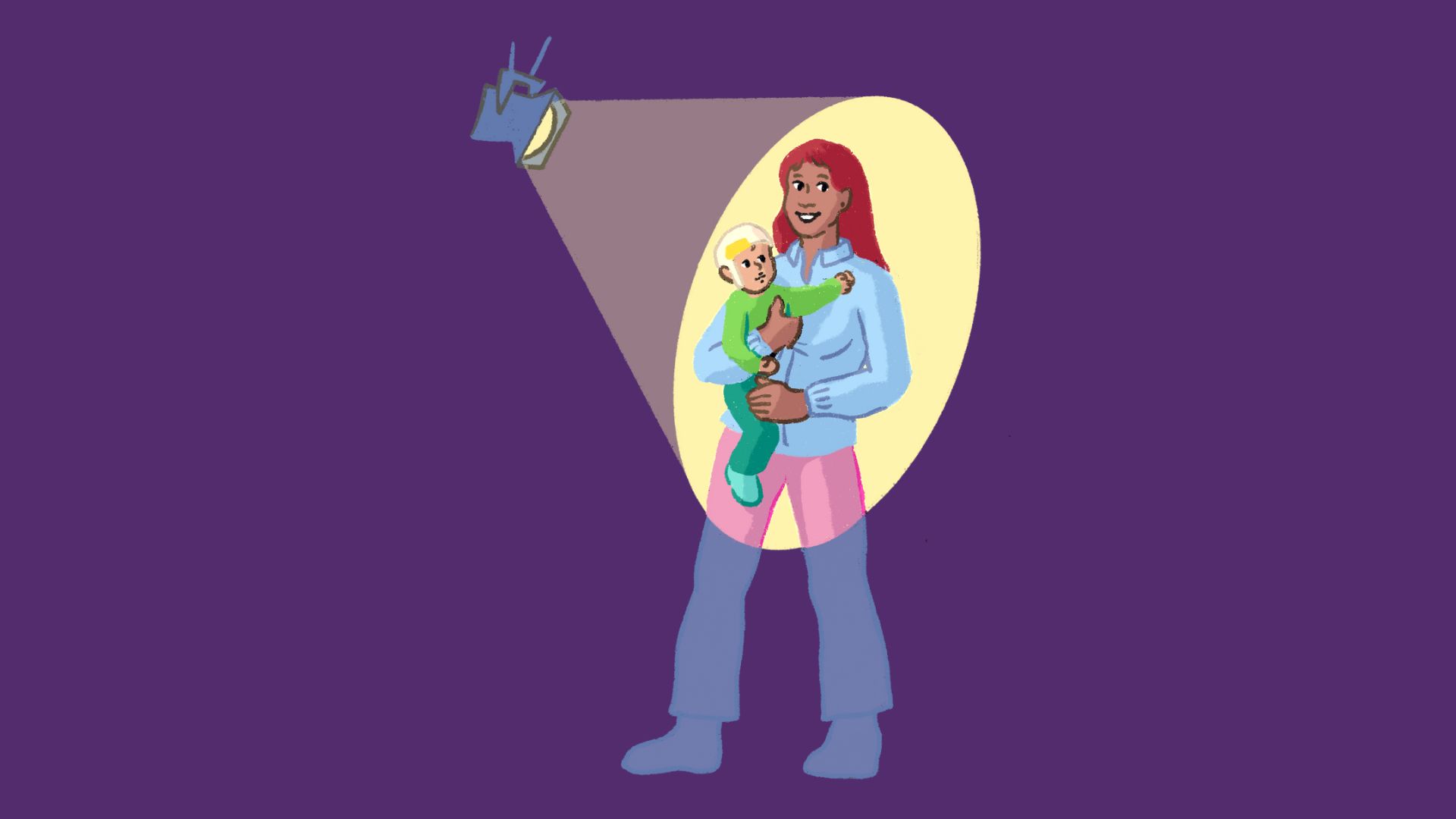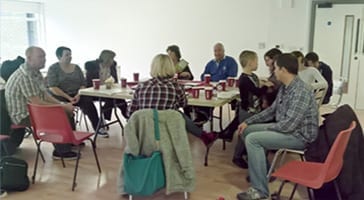



Through Patient and Public Involvement and Engagement (PPIE), people with TSC, their families and caregivers can directly influence how studies and clinical trials are planned and delivered
PPIE helps researchers and clinicians to understand what life is actually like for someone affected by TSC. At the TSA, our PPIE work involves working in partnership with the TSC community in developing new research and dictating how studies actually happen. When it comes to research, these details really matter, as what might look like a straightforward study on paper could actually be not feasible or useful for people living with TSC.
Feedback through PPIE can completely change a study. It might mean that a researcher looks to uncover discoveries in an area of TSC that would have been overlooked otherwise. It can also mean that the practicalities of a study completely change. For example, it might turn out that a child will struggle to swallow a large tablet, or someone with sensory sensitivities might find sticky patches which will be used in a study too difficult to tolerate.
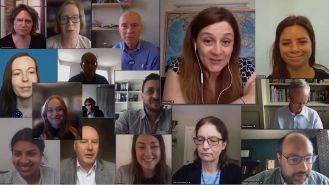
A real-life example of PPIE in action is a current clinical trial comparing a medicine called metformin with a placebo for people with TSC and refractory epilepsy. The TSA is a co-applicant on the trial and is supporting a Patient Advisory Group made up of people with TSC, parents and caregivers from our TSC Research Involvement Network. The group has already reviewed Patient Information Sheets and consent forms and helped shape plans for delivering trial medication directly to participants’ homes. Next, members will help design the trial’s seizure diary, making sure it is practical and easy for participants and families to use.
The TSA is a proud funder of TSC research, which you can see through our recent grant round. When researchers apply to us for research funding, we expect them to demonstrate strong PPIE procedures, so that the research has the biggest impact possible on people with TSC.
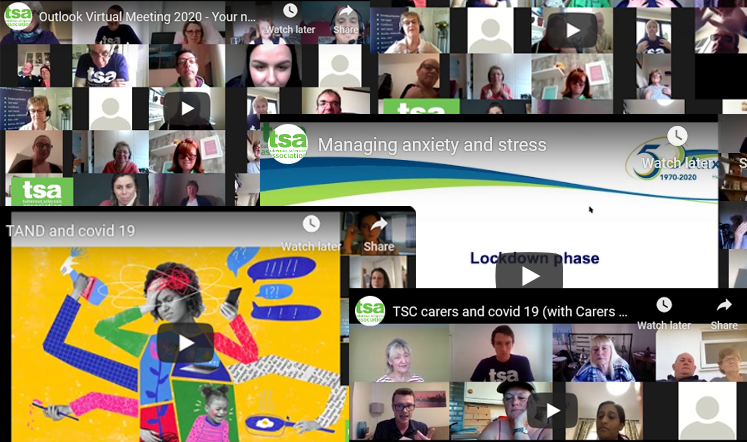
It’s not only through formal PPIE processes that the voice of the TSC community comes through to researchers. We hear regularly from people affected by TSC through the TSA Support Line, events and surveys, all of which we use to form views that we pass onto researchers and clinicians. We also work closely with clinicians and researchers through TSC clinics and the TSC Rare Disease Collaborative Network, giving us a strong understanding of both the clinical and everyday realities of TSC.
If you’d like to help shape future TSC research, you can join the TSC Research Volunteer Network. There is no minimum commitment. You can take part in the opportunities that interest you and decline others without affecting your future involvement.