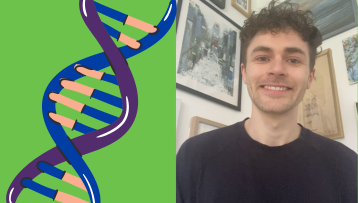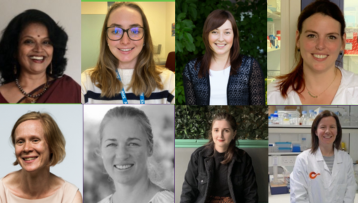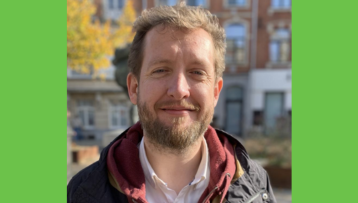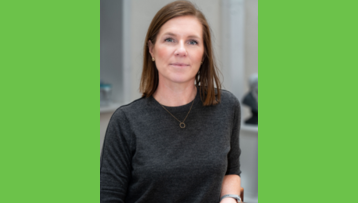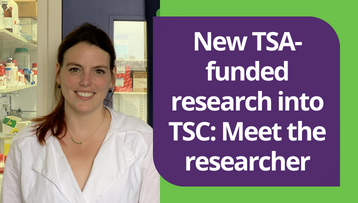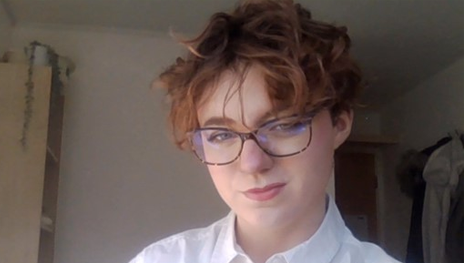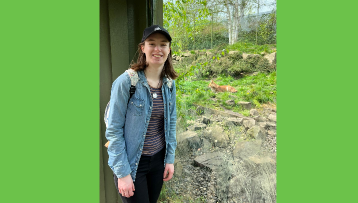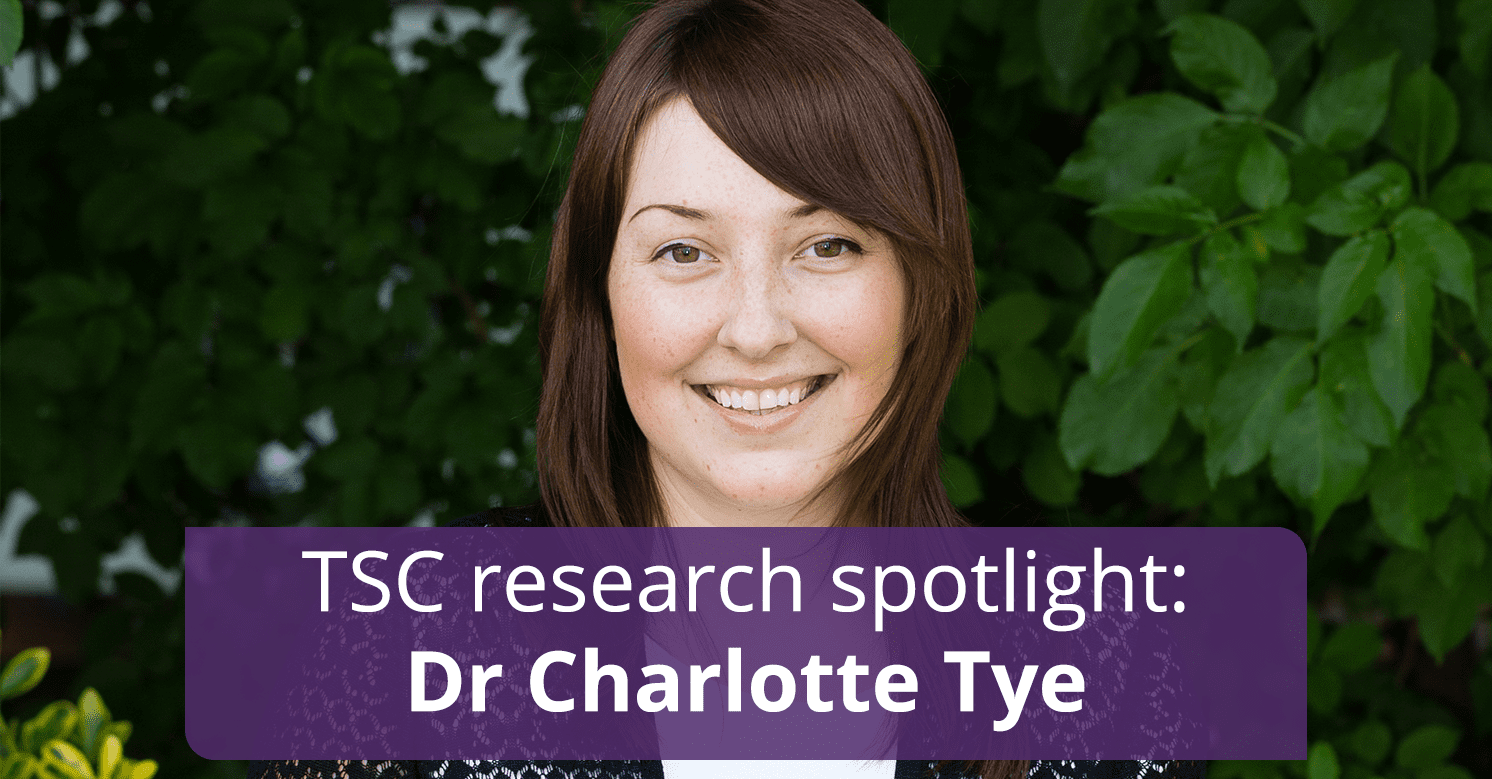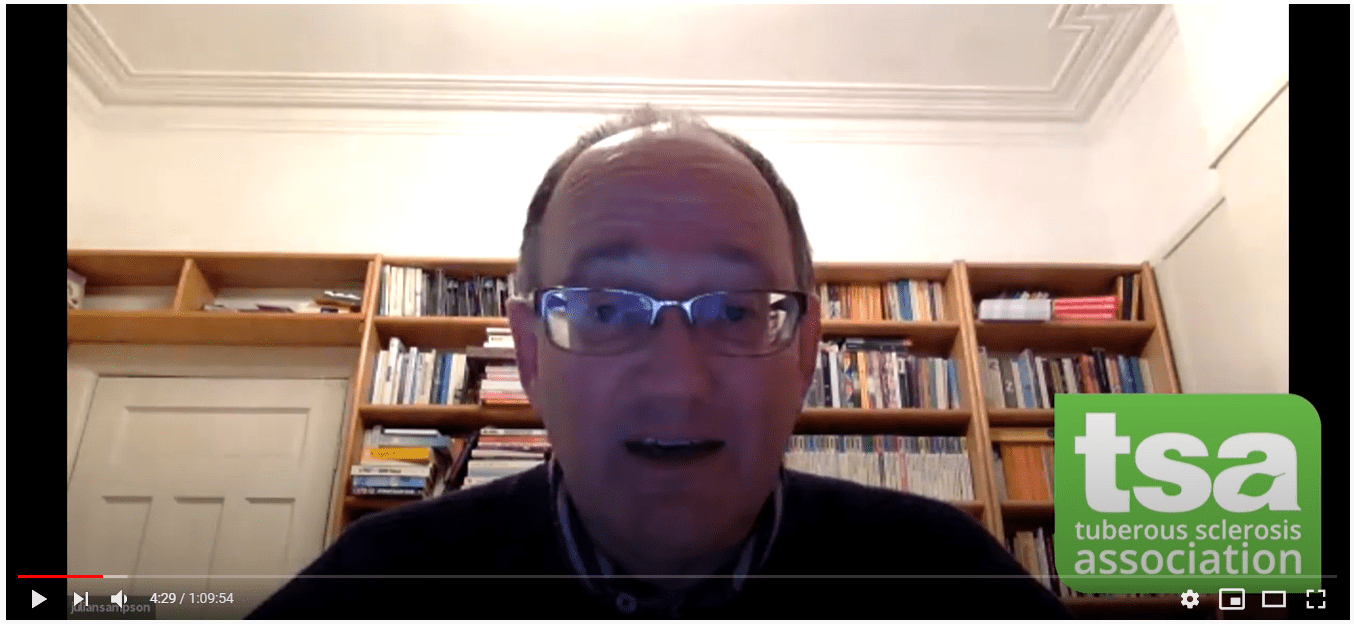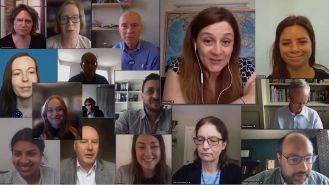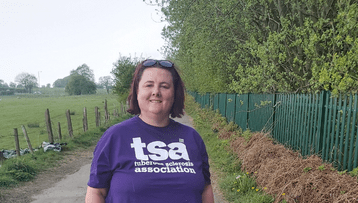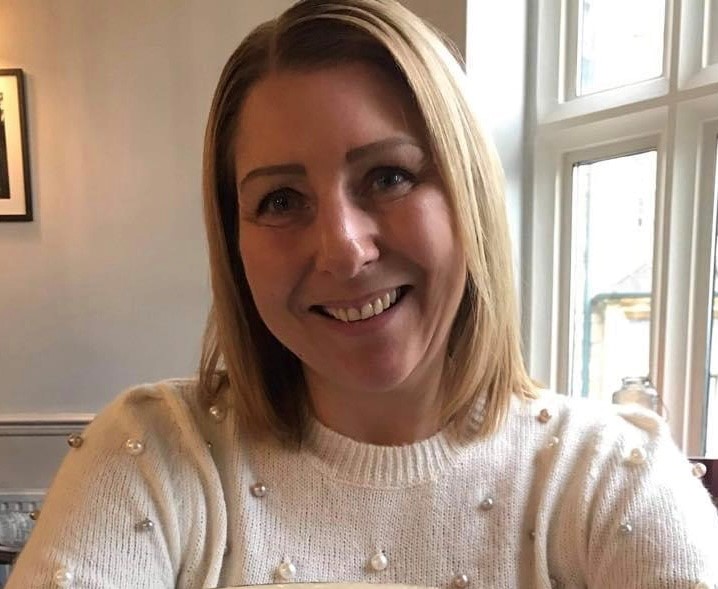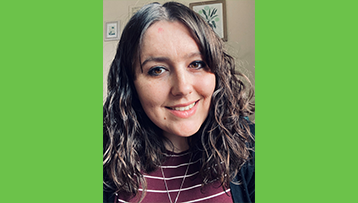



Amanda Barbanoj (Senior Research Fellow, University College London) recently undertook a secondment working with the TSA’s research team, where she carried out a project to understand how the TSA’s Research Involvement Network can better support the needs of the TSC community
What is your research about, and why is it important to people living with TSC?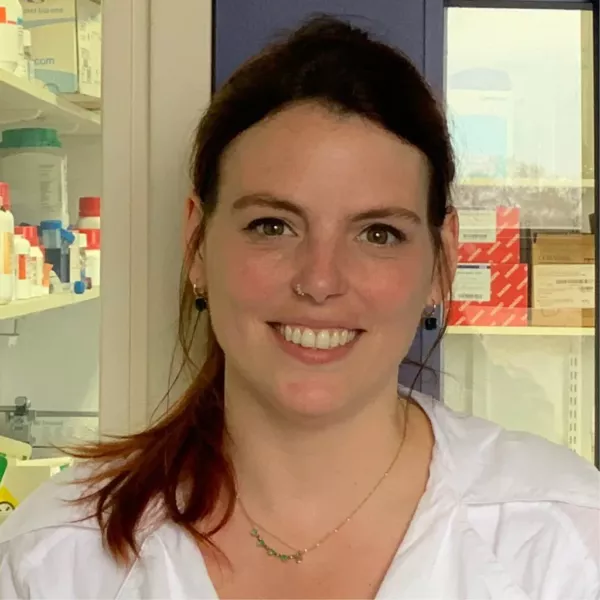
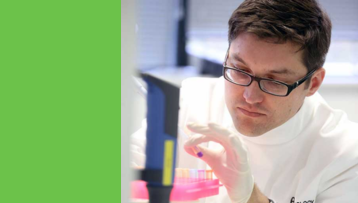
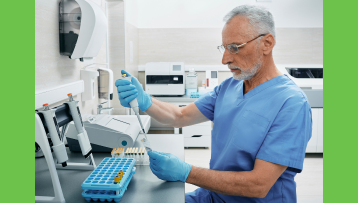
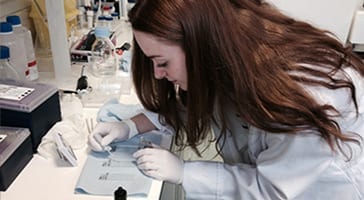
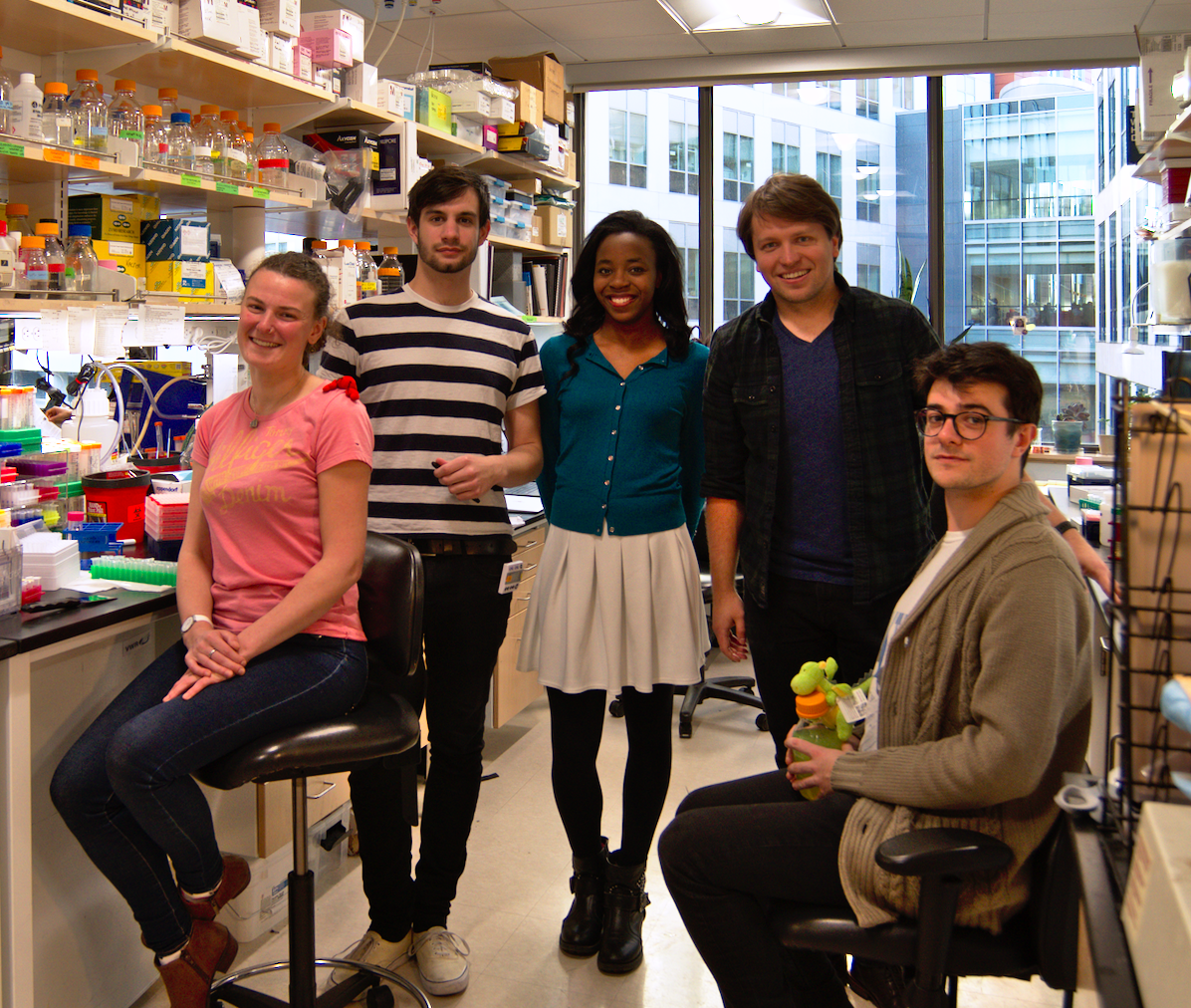
“My research seeks to develop new anti-epileptic therapies for people with TSC, and another rare brain condition called Focal Cortical Dysplasia (FCD). I’m looking at which specific brain cells are affected in both conditions, which can cause seizures, and which can cause severe and complex learning or emotional challenges. The goal of the project is to treat epilepsy and psychiatric conditions associated with TSC-Associated Neuropsychiatric Disorders (TAND) and FCD. So that I could study this in more depth in TSC, I developed a completely new model of the condition. I used gene editing tools to mimic the way random mutations occur in people with TSC. This opens the door to closer modelling of TSC, which can become a very useful tool to better understand its progression and for the discovery of new potential treatments.”
What was the most challenging or frustrating part of your day-to-day research, and how did you push through it?
“The most challenging part has been dealing with a long trial and error process of improving my laboratory techniques, experiments and procedures, which delayed my research more than I was expecting. I think this is a common experience for anyone directing a project for the first time. Things are always more complicated in real-life than when you plan them on paper. Nevertheless, being able to explore my hypothesis (theory) while managing brilliant students who were eager to learn about TSC and gene therapies has been the driver for overcoming occasional frustrating moments.”
What was the most exciting or rewarding moment in your day-to-day research, and how did it feel when things finally clicked?
“That would be when the TSC new model, that I had been working on, started to actually work! This was definitely a ‘eureka’ moment! I think this model can be a very useful tool to bring forward bench-to-bedside research for understanding and treating TSC.”
Can you explain a little about your work with the TSA and the TSC Research Involvement Network?
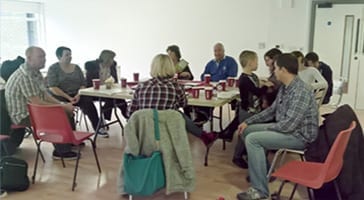
“During my time with the TSA, I worked alongside a dedicated group of people with TSC and caregiver volunteers to capture and demonstrate the real impact of patient involvement in TSC research. Through thematic analysis (identifying patterns within text and data) and focus groups, we designed easy-to-use tools that track public input to ensure future studies are guided directly by lived experience. Based on three main themes from our analysis, we collaborated with the TSA Research Team to implement the following actions:
To ensure volunteers see their impact, researchers will now complete a one-page questionnaire after every project and will be shared with volunteers to:
- Recognise their time and effort
- Reassure them that their contributions were valued
- Offer constructive pointers for future involvement
To make involvement opportunities clear and accessible, we introduced:
- One-page summaries of key details to help volunteers decide whether to participate
- A dedicated space for registered volunteers to connect and build community
- A volunteer-pairing system currently in development via focus groups to support participants facing accessibility barriers
To bridge the gap between scientific jargon and volunteer confidence (the “research bubble”), we created:
- A Layman Language Guide to help researchers write accessible, jargon-free communications.
- Upfront expectations using activity flyers to outline project commitments before volunteers sign up to take part in an opportunity
- A volunteer feedback survey allowing participants to share their experience of the research opportunity, helping the TSA identify areas for improvement and to address any accessibility issues”
Has working alongside a charity like the TSA changed how you view your future career in research or healthcare?
“Working at the TSA has made me want to continue to work towards the development and improvement of diagnostic tools and treatments of TSC from a position of project management, charity, and patient advocacy.”
How does your project and your internship with the TSA help move us closer to better treatments, a cure or improved day-to-day wellbeing for people affected by TSC?
“My research project provides with new data on how cells work and a model that represents in a closer way how cortical tubers form and grow in people with TSC. This will drive forward bench-to-bedside research for the development of treatments targeting seizures and TAND. My project with the research team at the TSA will help document and improve the impact that research involvement opportunities have on the volunteers and on the projects the researchers put forward. I am cautiously confident that this project will result in an increase in the feeling of community among the TSA volunteers and a better communication between researchers and volunteers.”