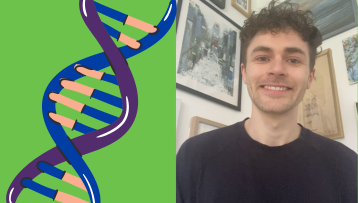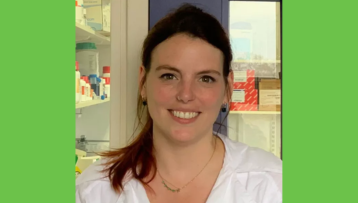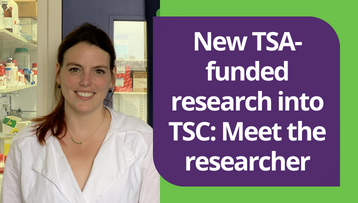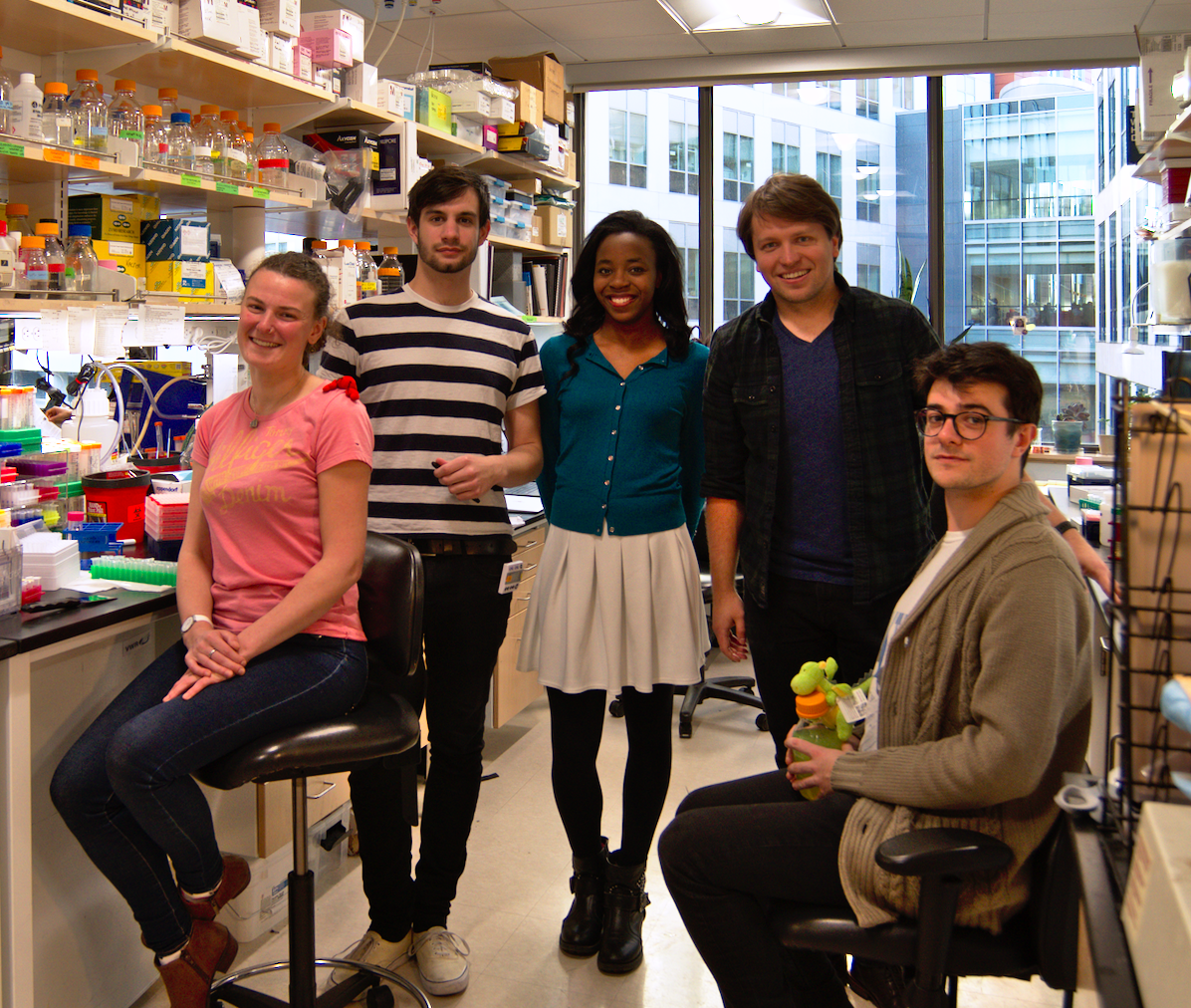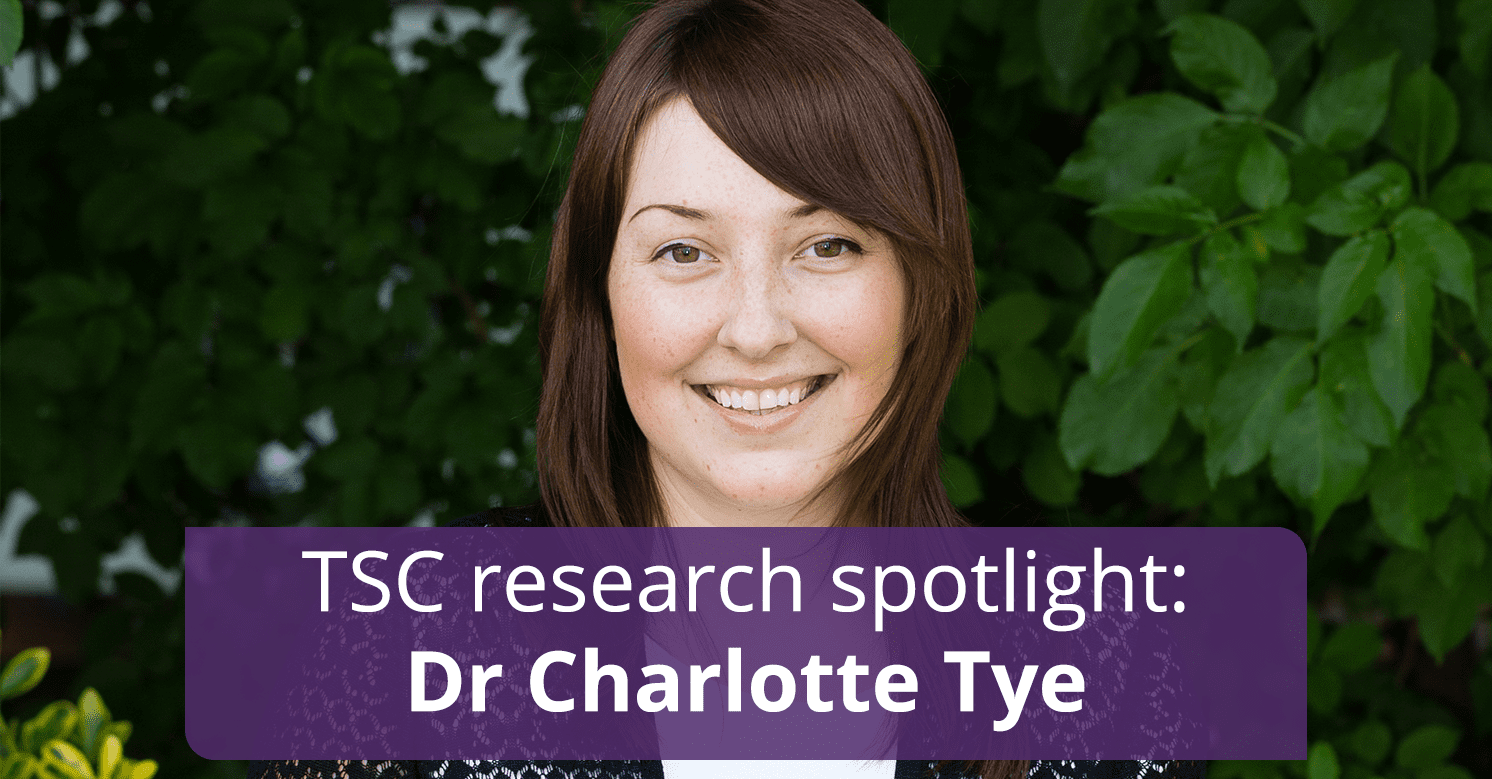


Dr Claire Behan (St James’ Hospital Dublin) is a TSC researcher involved in our most recent grant round (see here). We asked Claire to provide more information about her research, which is asking whether a “leaky” blood-brain barrier is the reason behind seizures and TSC-Associated Neuropsychiatric Disorders (TAND):
Is a “Leaky” Blood-Brain Barrier Behind Seizures and TAND in TSC?
The question at the heart of the project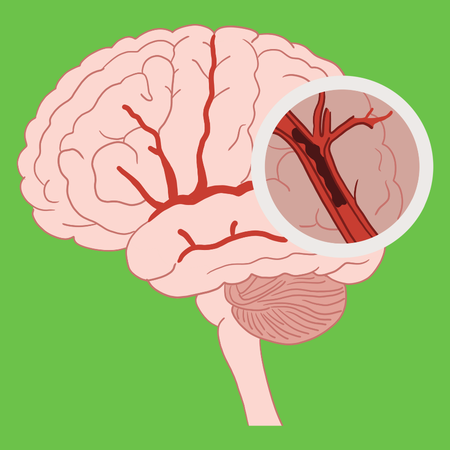
Most people with Tuberous Sclerosis Complex (TSC) live with more than seizures. Around 85–90% also experience what’s known as TSC-Associated Neuropsychiatric Disorders (TAND), which can include difficulties with learning, attention, behaviour, anxiety or autism spectrum features. While epilepsy affects up to 90% of people with TSC, not everyone’s seizures come from the same place. Some of the small brain growths seen in TSC, called tubers, cause seizures, while others don’t. Current medicines, including newer mTOR-targeted therapies, help many people, but a lot of individuals are still left with ongoing seizures and day-to-day difficulties that current treatments don’t fully explain.
My project is asking whether a “leaky” blood-brain barrier could be part of the missing explanation. The blood-brain barrier is the brain’s security gate, a tightly controlled layer of blood vessels that normally keeps unwanted substances out. When it becomes disrupted, proteins and inflammatory signals from the blood can seep through and make brain cells more excitable, which may help trigger seizures and contribute to the difficulties seen in TAND.
What we hope to discover
This is a pilot study, generously funded by the TSA Seedcorn Grant Award. It involves a small group of adults with TSC and also a matched group without TSC. Each person in the study has a single study visit combining a detailed health and TAND assessment, a blood test for markers linked to blood-brain barrier health, and a specialised MRI scan (called DCE-MRI) that can map tiny “leaks” in the brain’s blood vessels.
We’re looking for three things: Whether barrier’s “leakiness” lines up with the specific tubers that are actually causing seizures; whether the amount of “leakiness” relates to how severe someone’s seizures and/or TAND symptoms are; and, using cells grown from participants’ own blood samples, whether we can recreate a “mini blood-brain barrier” in the lab to understand what’s going wrong at a cellular level, and whether it can be repaired.
Deleted:
Why this matters for individuals and families
If this pilot shows what we expect, it could eventually lead to a non-invasive way of pinpointing exactly which part of the brain is driving someone’s seizures. I might also lead to a blood test that helps monitor blood-brain barrier health over time, potentially flagging problems before they become severe. Longer term, it opens a route toward treatments that target the barrier itself, working alongside existing seizure and mTOR-targeted therapies rather than replacing them.
What inspired this work
Deleted: During my PhD, I studied the blood-brain barrier in patients undergoing epilepsy surgery. At the same time, my clinical work over more than a decade has involved caring for people with TSC. This project came from bringing those two interests together, conversations with Dr Chris Greene helped us see how blood-brain barrier research could answer some of the questions I’d been asking in the TSC clinic for years.
Involving individuals and families
The TSC community shaped this project from the outset. Conversations with TSC Ireland, and specifically a parent of a person with TSC who is a formal co-applicant on the study, helped identify what mattered most: Earlier identification of those at risk of severe TAND, reliable biomarkers, and treatments that address root causes rather than just symptoms. A patient advisory panel will meet regularly throughout the project to review materials, advise on participant experience, and help interpret findings in terms of what they actually mean for daily life — not just what they mean scientifically.
Why TSA funding mattered
The TSA Seedcorn Grant Award is what got this pilot off the ground. Funding like this, for small feasibility studies, is often the hardest to find, yet is essential. It’s this early data that allows us to apply for the much larger funding needed to run a full study, and without it, ideas like this one simply don’t get past the drawing board.