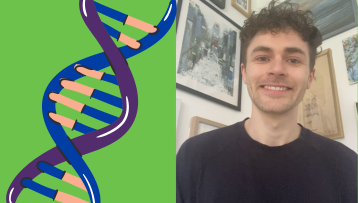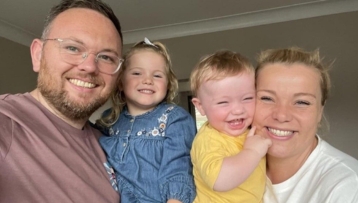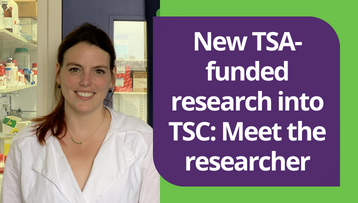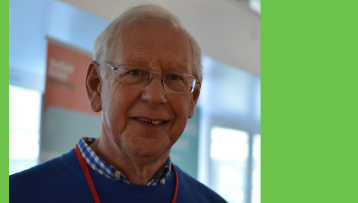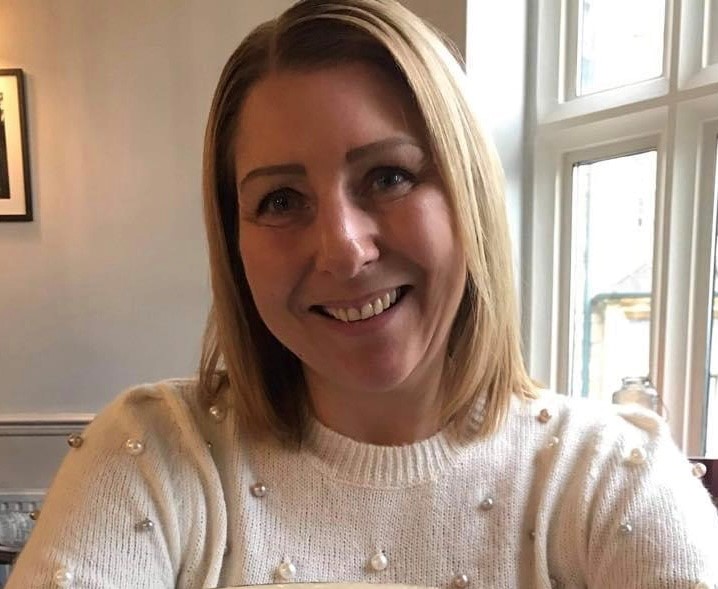



Lucas Gutiérrez Lafrentz is a PhD researcher at the Vrije Universiteit Brussel and University of Antwerp in Belgium. His work forms part of the TANDem 2 project, and aims to explore the ethical dimensions of care for individuals with TSC Associated Neuropsychiatric Disorders (TAND). We spoke with Lucas about his path into TSC research, his commitment to care ethics, and how he balances academic work, family life, and music.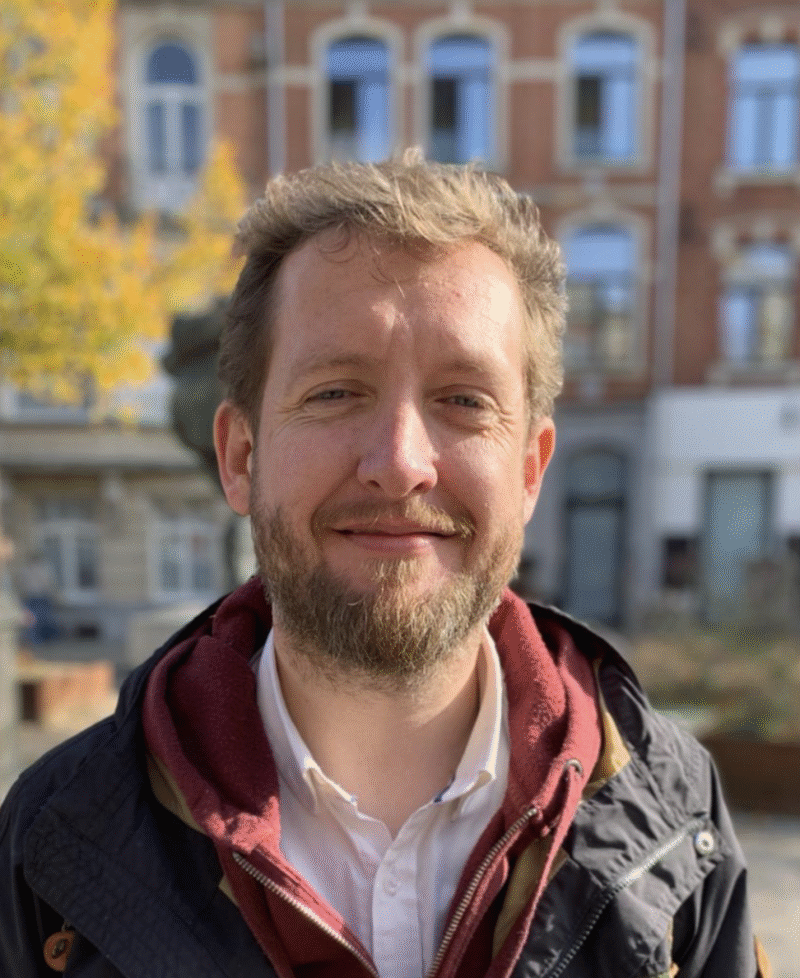
What was your background before becoming a TSC and TAND researcher?
“I trained and worked as an adult psychiatrist in Chile, spending several years in community mental health services in the south of the country, where Patagonia begins. During that time, I saw how difficult it can be for individuals with severe mental health difficulties and their caregivers to navigate complex systems, coordinate daily care, and make decisions with limited information. What seems clinically appropriate is not always practical or emotionally feasable for those involved, and can become a complex dilemma.
These experiences led me toward bioethics, and especially care ethics, as a way of making sense of such tensions. Care ethics helped me appreciate the importance of relationships, attentiveness, responsibility, and responsiveness in supporting individuals and families. I deepened my training in ethics in Chile and later completed a Master’s in Bioethics at KU Leuven in Belgium.
My journey into TSC and TAND research is a bit different. I came from far, both geographically and professionally, with a background rooted in clinical psychiatry. I became involved in TSC and TAND later in my career, around the time I returned to research. As I learned more about the experiences of individuals with TSC and their families, I realised how valuable an ethical perspective could be in understanding their daily challenges. This insight led me to work with the TAND Consortium and shaped the focus of my PhD.”
Can you tell us about your current TAND and TSC research projects?
“My PhD examines ethical tensions in the treatment and care of individuals with TAND. I aim to explore how individuals with TAND, caregivers, and healthcare professionals experience these tensions in daily care, and to develop grounded ethical recommendations that can support clinical practice, service design, and policy.”
What are your passions outside of research, in your spare time?
“I enjoy travelling, learning new cultures and languages, and listening to people’s stories. Most of my time now goes to research, and the rest to my family. We love cycling, exploring new places, and filling our home with music. I also enjoy playing the guitar.”
If you were not a researcher, what do you think you would be doing instead?
“I would most likely still be working clinically in community mental health. But if I ever did something completely different, perhaps I would try pursuing music more seriously. Although that would require a lot more practice on my part, and probably a great deal of patience from my wife and kids.”
What do you hope we will see in TSC and TAND research in years to come?
“I hope to see stronger integration of ethical reflection within TSC and TAND research. Along diagnosis and interventions research, we also need to understand how care is experienced, how decisions evolve, and how relationships shape wellbeing. I believe the ethics lens can help us develop more holistic, equitable, and responsive care.”
What is in store for you in the next couple of years?
“I look forward to completing my PhD and continuing my work with the TANDem 2 team and the TAND Consortium. I am grateful for the supervision of Prof. Ann Jansen, whose commitment to TSC has been deeply inspiring, and of Prof. Kristien Hens, who has supported my development in ethics research. I am also grateful to Prof. Petrus de Vries for his guidance, which has shaped much of my understanding of TSC and TAND. I also hope to contribute to TSC and TAND research in my home country, Chile.”
Do you have anything you would like to say directly to the TSC community?
“What motivates me most is the chance to keep learning from the TSC community and to strengthen international collaborations. The openness and generosity of individuals, families, and professionals are what give direction and meaning to my work. I want to thank everyone who shares their experiences with researchers. Their stories guide the work we do. Their commitment to improving care is inspiring, and it continues to motivate my own development as a researcher and clinician. I really hope my research impacts everyday life of individuals with TSC and all of those involved in their care.”