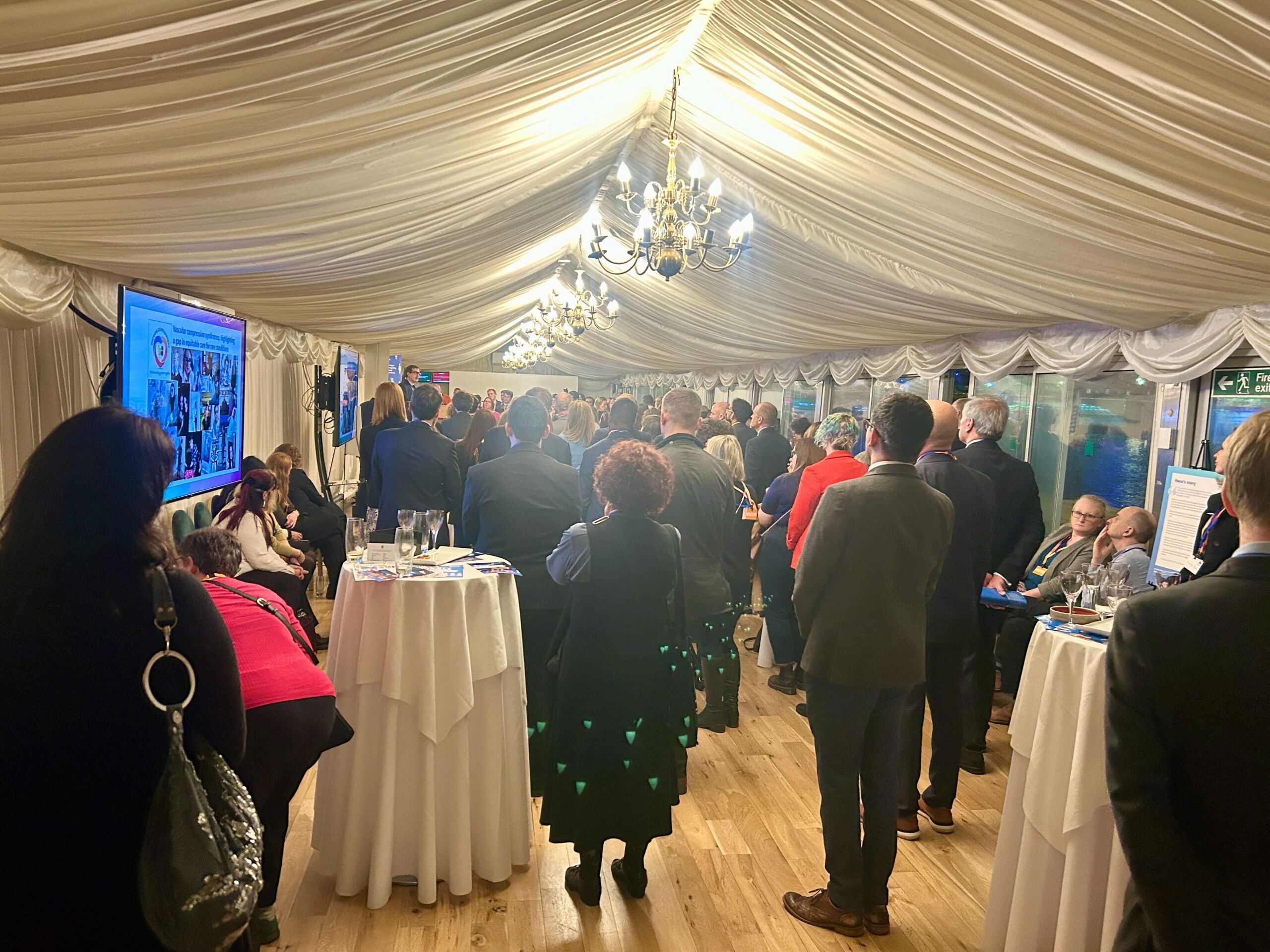


The TSA’s Joint Chief Executive, Dr Pooja Takhar, attended the Rare Disease Day 2026 Parliamentary Reception at the House of Commons, bringing together policy makers, charity leaders, healthcare professionals, pharmaceutical companies and members of the rare disease community
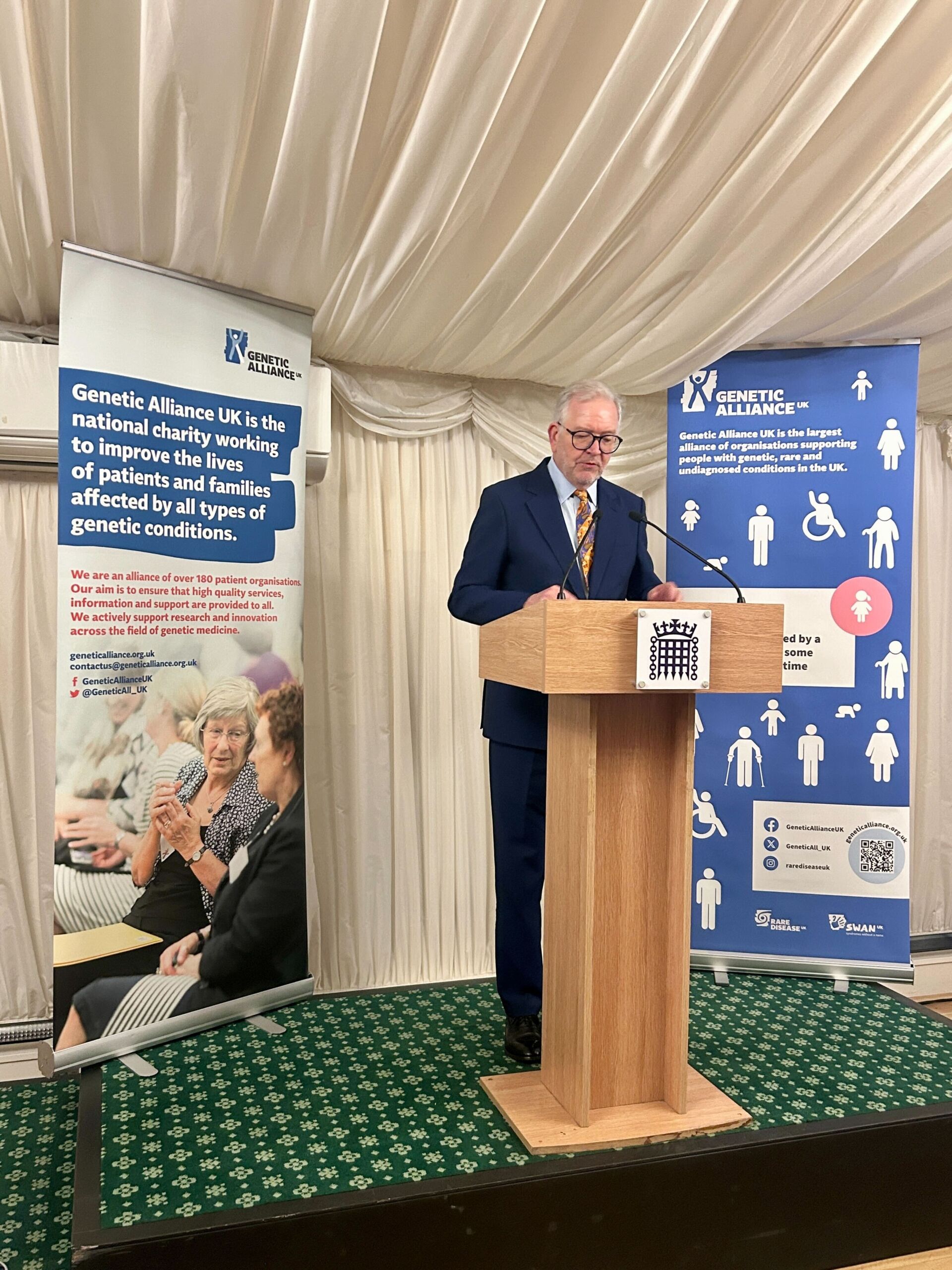
The event was hosted by Peter Dowd, Chair of the All-Party Parliamentary Group (APPG) on Genetic, Rare and Undiagnosed Conditions, who welcomed attendees and reinforced the importance of continued cross-party engagement on rare disease policy.
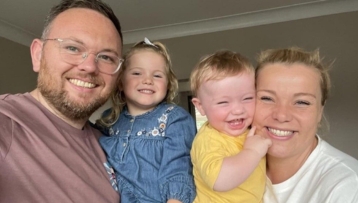
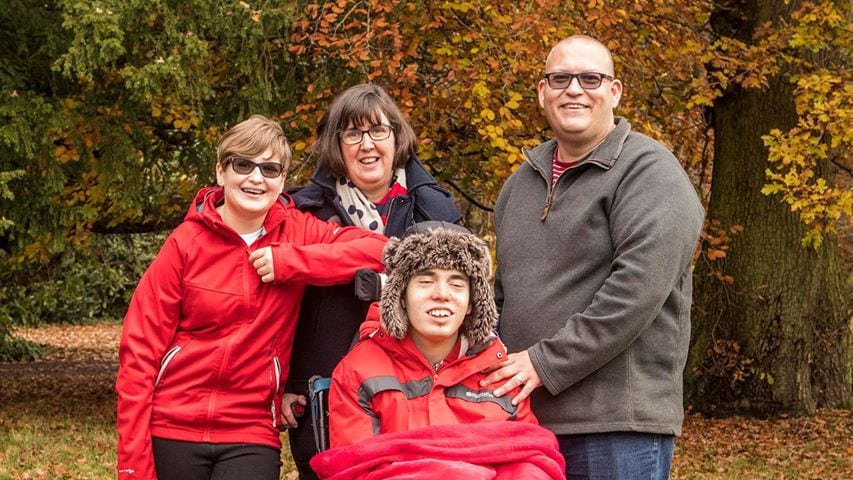
We then heard a powerful and deeply personal account from Alison Pettitt, who shared her family’s experience of her son Timmy living with a rare condition. Her story was a poignant reminder of the real-world impact of delayed diagnosis, fragmented care and inequitable access to services.
The keynote address was delivered by Ashley Dalton, Parliamentary Under-Secretary for Public Health and Prevention, who outlined the government’s commitments to improving diagnosis, coordination of care and equity for people living with rare conditions.
Sue Farrington, CEO of Scleroderma and Raynaud’s UK, spoke about progress toward delivering a NICE Quality Standard for Rare Conditions, due to be published on 27 February 2026. This is an important step in embedding consistent, high-quality care across the system, and TSA is proud to have contributed to the NICE consultation process, ensuring the voices and experiences of the TSC community helped inform its development.
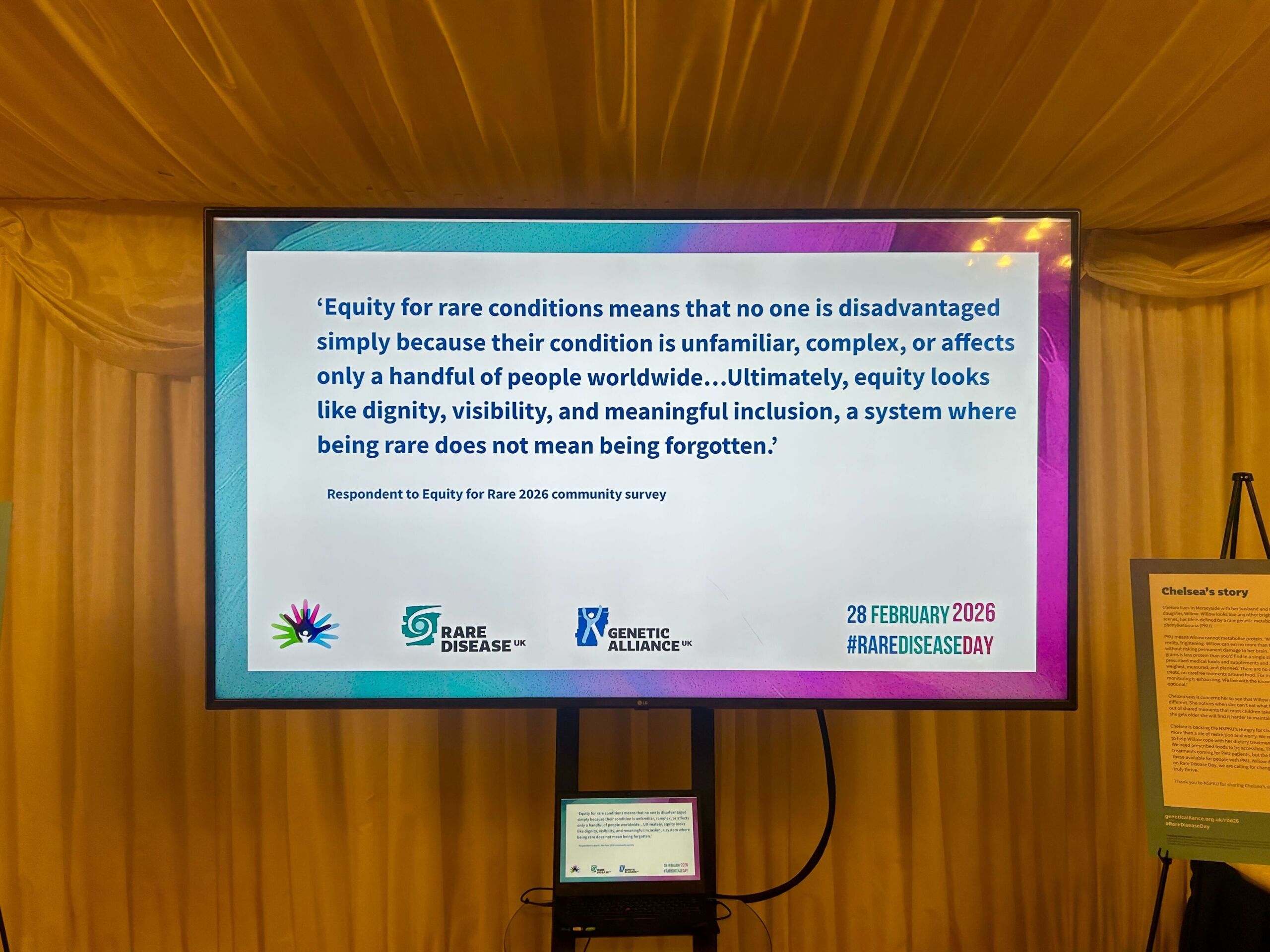
Nick Meade, CEO of Genetic Alliance UK, launched the Genetic Alliance UK Rare Disease Day 2026 report, Equity for Rare. The report highlights persistent inequities in access to healthcare and the need for systemic change to ensure no one with a rare condition is left behind.
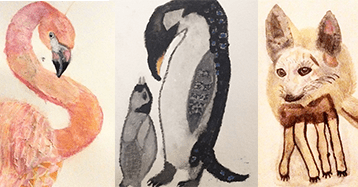
The reception also showcased an exhibition of lived-experience stories from individuals affected by rare conditions, offering a powerful illustration of the barriers many still face. The evening provided valuable opportunities for networking and strengthening relationships across the sector.
It was encouraging to see rare disease recognised at the parliamentary level and to hear renewed commitment to improving outcomes for everyone living with a rare condition. Attending the reception provided valuable visibility for the TSC community and reinforced the TSA’s role in shaping national standards, including our contribution to the NICE Quality Standard consultation. The event also provided an opportunity to share the unique challenges faced by people living with TSC and offered opportunities to connect with policymakers, healthcare leaders, and other rare disease organisations.
By sharing lived experiences and engaging with key stakeholders, the TSA helps ensure the voices of the TSC community are heard and acted upon, driving more equitable, high-quality care. Events like this demonstrate the importance of collective advocacy and collaboration in creating meaningful change for our community.