


In 2025 we launched the TSA Grant Round focused on supporting research with the potential to drive progress in line with our strategic priorities.
Meet the successful researchers from our two grant streams funded by the TSA – turning research into real change

Four awards of up to £10,000 each, supporting early-stage or exploratory projects that can generate preliminary data, build collaborations, or strengthen applications for larger funding.
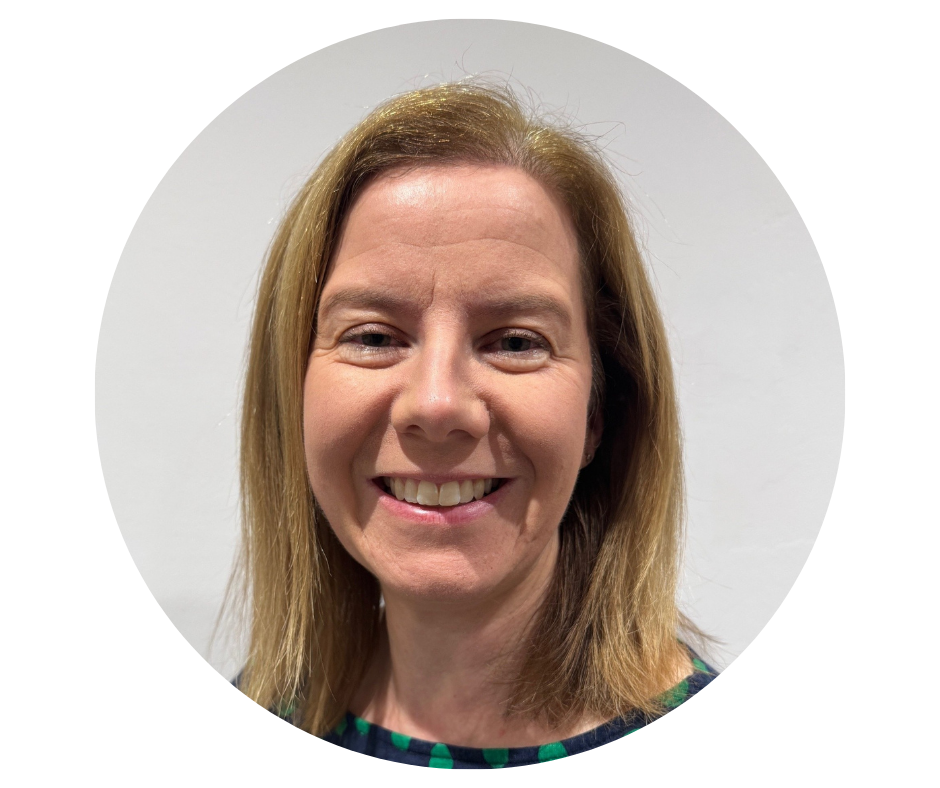
Dr Elaine Dunlop
School of Medicine at Cardiff University
Senior Lecturer in the Division of Cancer and Genetics
Elaine gained a PhD in cancer biology before moving to Cardiff to begin her research into the genetic condition Tuberous Sclerosis Complex (TSC).
Project: Simpler tools for diagnosing and monitoring TSC
Current diagnostic and management tools for TSC rely on identifying clinical signs that develop over time, genetic testing which does not always give a clear answer, and expensive monitoring scans which are time-consuming for patients and not suitable for frequent screening.
Dr Elaine Dunlop, Cardiff University, is exploring innovative new ways to see whether information in a person’s blood can make this long ongoing journey simpler.
Blood-based biomarkers are information in a person’s blood that can give clues or hints about their health. They may offer a more precise approach to detecting and managing TSC throughout a person’s lifetime and importantly, they could help ensure more consistent and effective care.
Previous work led by Dr Dunlop identified a number of biomarkers that were present at different levels in TSC cells. Dr Dunlop will continue this work in collaboration with Welsh bioscience company Molomix Bioscience Ltd to build a potential route to use in the clinic.
Key Areas:
Meet the researcher webinar:
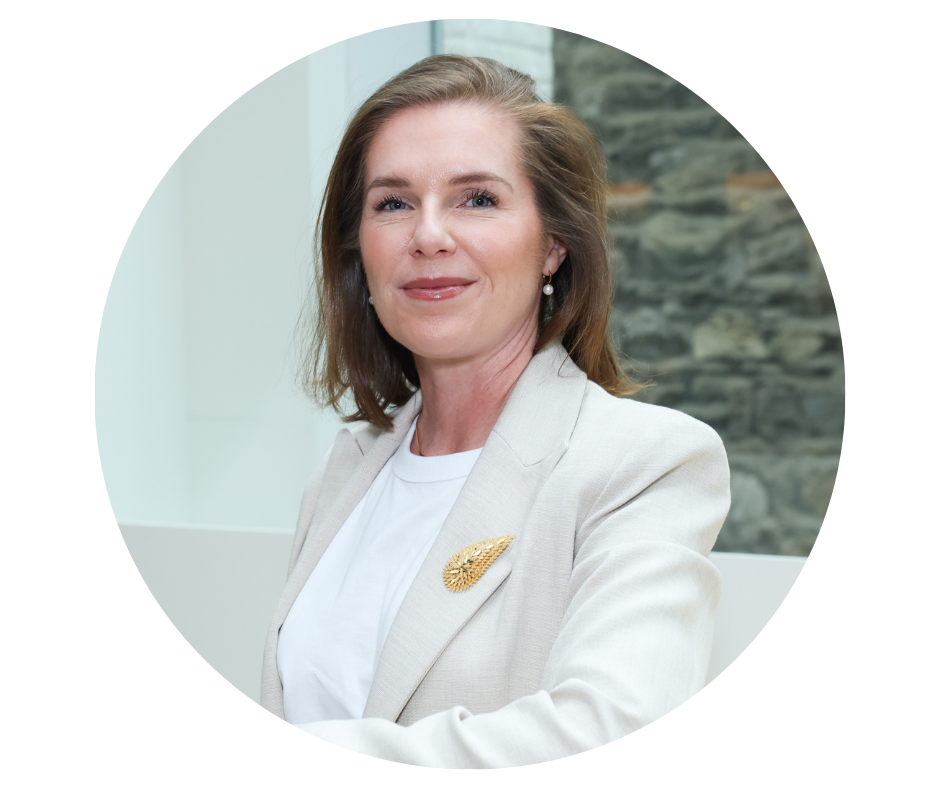
Dr Claire Behan
RCSI University of Medicine and Health Sciences
Lecturer and Programme Director of the Neurology Specialist Practice Programme
Claire has over 20 years of clinical experience in neurology and critical care. She was the first author of the landmark audit of TSC service and care in Ireland.
Project: Identifying seizure treatments through blood tests
Identifying the right treatments for TSC-associated neuropsychiatric disorders (TAND) can be challenging, with current medicines leaving some TSC patients with ongoing seizures and day-to-day difficulties.
Dr Claire Behan will be investigating whether changes in the brain’s protective barrier are linked to seizure activity, using advanced imaging to see what is happening inside the brain.
Claire and her team will be monitoring the health of a person’s blood-brain barrier (BBB); the cells that protect our brains and create a stable environment for our neurons. With TSC patients these cells can become “leaky” which may be a link to TSC related seizures and TAND.
By examining MRI scans and blood tests of adults with TSC the team will be looking to find the areas of the brain that are causing seizures and if a simple blood test to check the health of a person’s BBB could help identify the best treatments and reduce seizures for people living with TSC.
Key Areas:
Meet the researcher webinar:
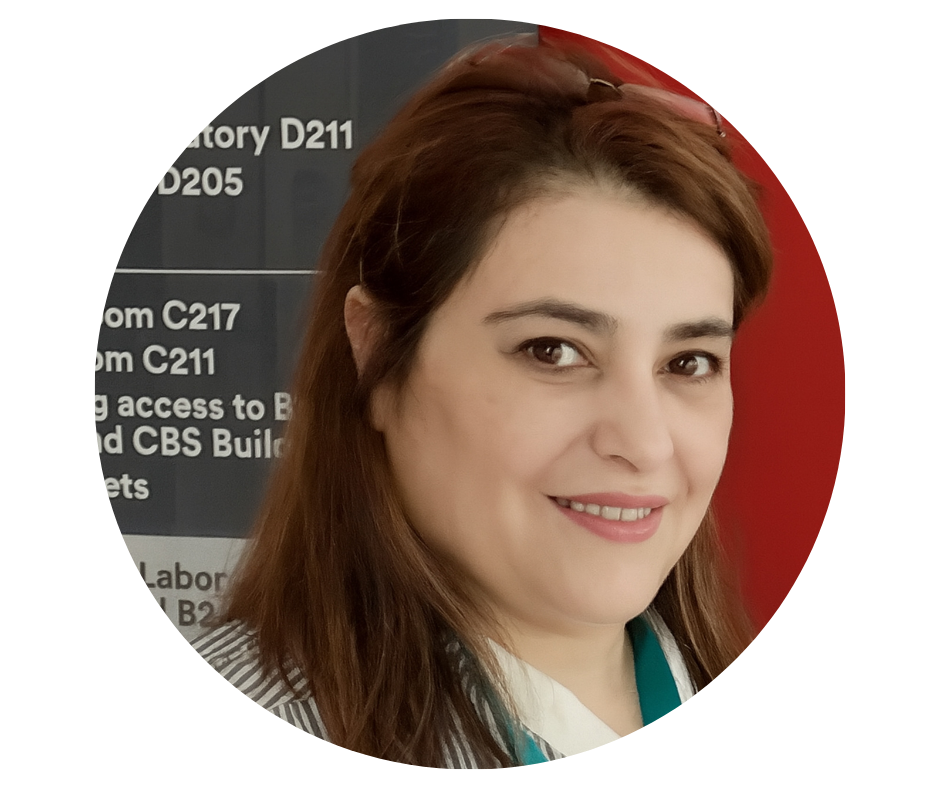
Dr Roya Babaei-Jadidi, Pharm.D, PhD
University of Nottingham
Research Fellow
Roya has over 15 years of postdoctoral research experience, has contributed to multiple MRC and LAM Foundation-funded projects, and has authored more than 35 peer-reviewed publications in leading scientific journals.
Project: Reversing the effects of LAM
Lymphangioleiomyomatosis (LAM) occurs when there is an overgrowth of cells in the airways, blood vessels, and lymph (fluid) vessels of the lungs. More common in Women living with TSC; the symptoms of LAM varies between individuals, with problems ranging from shortness of breath and coughing to chest pain or a collapsed lung.
Dr Roya Babaei-Jadidi is investigating whether targeting a molecule called IL-6 could help us understand how to repair lung damage, not just delay it.
Although the use of mTOR inhibitors slow the progression of LAM, proteins found in the lung tissue of TSC patients could be responsible for restricting the lungs from regenerating.
By identifying the behaviour of these proteins Roya and her team are looking to develop future treatments that will support lung repair for people living with TSC.
Key Areas:
Meet the researcher webinar:
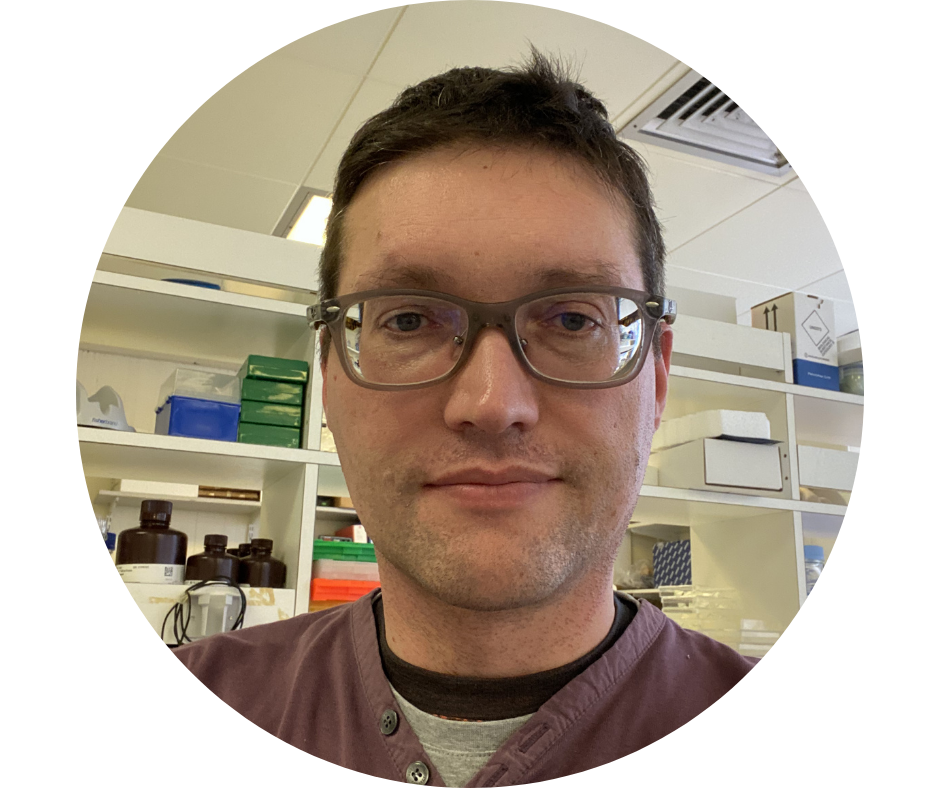
Professor Andrew Robert Tee
Professor of Cancer and Genetics
Andrew’s laboratory has worked to better understand the biology underlying Tuberous Sclerosis Complex (TSC). His research focuses on understanding how cells control their growth and metabolism, and what happens when those control systems go wrong.
Project: Anti-inflammatory tumour investigations
Current treatments, including medicines like Everolimus, can help control tumour growth. But they don’t work perfectly for everyone.
Emerging evidence suggests that inflammation may play a role in tumour growth. Professor Andrew Tee will be investigating whether anti-inflammatory medicines could offer a new way to treat tumours, potentially alongside existing treatments.
By studying how TSC affects cell signalling, energy use, and tissue growth, his team aims to uncover insights that could contribute to improved treatments and long-term care.
He is especially interested in how discoveries made in the laboratory can eventually make a real difference to individuals and families living with TSC.
Key Areas:
Meet the researcher webinar:

Commissioned by the TSA Board of Trustees, this award will offer up to £55,000 in match funding to support an excellent PhD candidate to initiate and shape the development of a TSC registry by gathering, organising and analysing longitudinal data.
Project: Building a national registry to understand more about TSC and other mTOR pathway diseases.
The mTOR pathway is responsible for managing the balance of cellular growth, cellular breakdown, and cellular regulation. Mutations of the mTOR pathway can lead to multiple diseases including TSC.
Leila is part of a team of researchers at King’s College London, who will be producing a comprehensive registry of the TSC and mTOR pathway population in the UK.
The team will be working with the National Disease Registration Service (NDRS) to access NHS patient records building the foundations for the project. The next phase of the project is to co-produce a set of research priorities with people living with TSC and other mTOR pathway diseases.
The data collected from both sources will generate insights that can inform service planning, improve patient care, and enhance outcomes for people affected by TSC and mTOR pathway diseases.
Meet the researcher webinar:
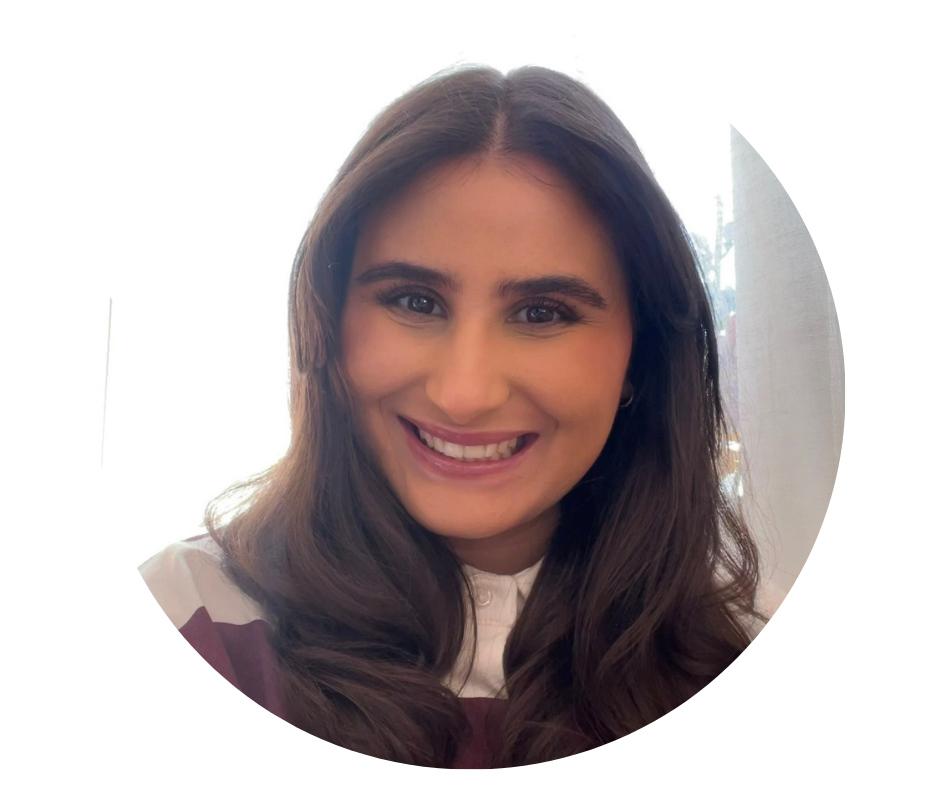
Leila Yasmin Ben-Chaabane
King’s College London
PhD researcher
Before beginning her PhD, Leila worked for two years as a Research Assistant within the MRC/NIHR mTOR Pathway Diseases Node. During this time, she began work on developing the world’s first mTOR pathway diseases registry in collaboration with the National Disease Registration Service.